Will Summer Camp Benefit Your Child or Just Exhaust Them?
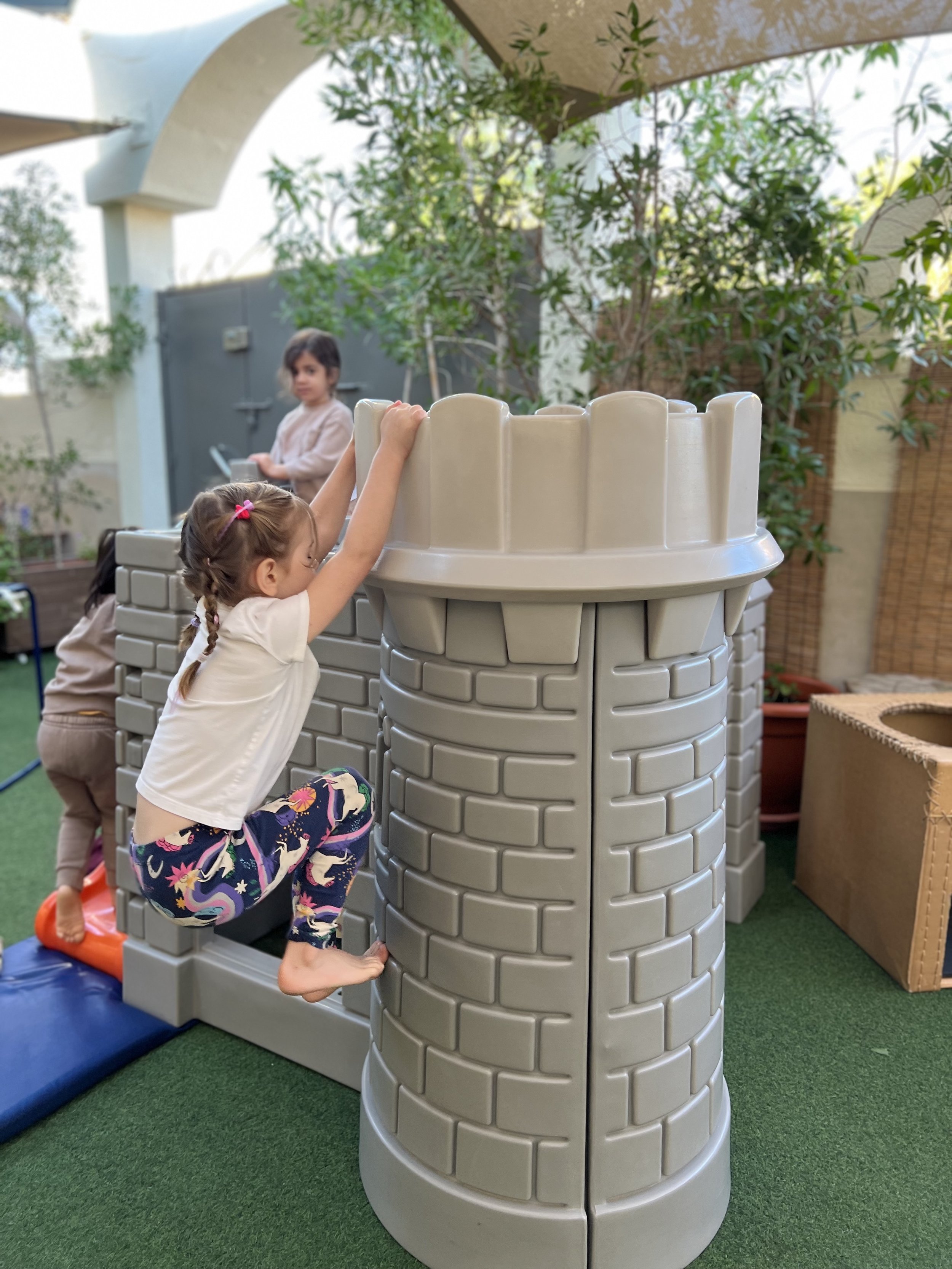
Playing outdoors is so important for children’s development!
The Benefits of Preschool Summer Camp
If summer camp feels ages away, you’re not alone. Dubai has a funny way of making six months feel like “loads of time” until it suddenly isn’t, and you’re juggling calendars, work, travel plans, and the reality of encroaching August heat.
So if you’re thinking about a preschool summer camp now, it’s not too early. It’s actually the sweet spot, because you can choose calmly, not urgently.
Most parents are carrying the same question underneath it all: will this help my child or will it be too much? Add in a routine wobble and the childcare versus learning debate, and it can feel like you’re choosing between “useful” and “survival.”
You’re not overthinking. You’re paying attention. Many children thrive with the right rhythm and the right adults. And there’s no perfect choice! Only a thoughtful one that suits your child, your family, and your summer reality.
What a well designed preschool summer camp actually is
A well designed preschool camp should feel like a gentle bridge, not a disruption. It keeps a familiar daily routine while changing the invitations: different concepts, new materials, fresh projects, and plenty of space for children to lead their own play.
The goal is emotional safety first, then playful learning. When children feel calm and known, learning happens naturally, without anyone needing to push it.
If you’re visiting or asking questions, look for these quality clues:
Calm arrivals and familiar faces
Predictable routines with flexibility
Play that feels purposeful without being pushy
If you want a sense of what purposeful play really looks like in a setting like ours, it helps to read about the approach behind our nursery school learning philosophy.
The daily rhythm that supports children in Dubai summer
In a Dubai summer, the best preschool camps protect children’s energy like it’s a precious resource, because it is. A supportive day often includes:
Breakfast at home, then a calm arrival
Morning outdoor time in the shade while their energy is high
Snack time, stories and connection
Rich indoor exploration when the heat rises
Rest and quiet corners built into the flow, even for children who don’t sleep
A good preschool day isn’t about cramming in activities. It’s about building a rhythm that carries children, so they don’t have to hold themselves together all day.
And yes, heat does not have to mean stuck inside until September. A well planned preschool summer camp in Dubai makes outdoor time realistic and safe through shaded access, sensible water play, and calm cool down transitions. Ask what outdoor time truly looks like, and how they prevent children from tipping into overtired and overheated.
Relationships and emotional safety are the real camp curriculum
Preschool camp can feel like a big change, even when the environment is lovely. That’s why your child’s key-person relationship matters even more in summer.
Children learn best when they feel seen and heard. Smaller summer numbers can mean adults have more time to notice who needs a slower goodbye, who’s anxious at snack, and who relaxes when someone sits nearby and chats about dinosaurs. (Dinosaurs are still doing a lot of emotional heavy lifting at this age!)
Signs your child is settling can be small but meaningful:
They seek comfort from trusted adults
They return to play after a wobble
They begin to explore the room, not just watch it from afar
If your child is tired at the end of the day but still themselves, that’s usually a good sign.
Learning through play in summer camp, not just keeping busy
A strong preschool camp doesn’t entertain children all day. It offers open ended materials that invite ideas, not a conveyor belt of crafts. It creates real yes spaces where children can build, paint, move, explore, and return to projects over time.
Adults aren’t standing back doing nothing, and they’re not directing every moment either. They’re noticing, narrating, extending language, and protecting deep play.
Here’s what that can look like in real life. A quiet classroom becomes an atelier space with ongoing painting and collage. Children return to the same ideas day after day, adding layers, changing their minds, and building confidence. Nearby, a construction area becomes a long running city build. One child starts with a road. Another adds a bridge. By day three, someone is negotiating traffic rules like a tiny transport planner.
Mixed ages and siblings, why it can feel surprisingly steady
Mixed ages can feel surprisingly calm when it’s done well. Siblings staying together can reduce first week anxiety, and younger children often borrow confidence from older ones. In many settings, it echoes Steiner inspired practice, where older children naturally model independence and younger ones feel supported by the group.
What matters is how adults support it. Look for adults who actively help younger children join play, and an environment set up so everyone has an entry point with materials that suit different stages.
The commitment wobble and how preschool camp helps you choose with less pressure
A full year nursery school commitment can feel huge. A preschool summer camp often feels psychologically safer for parents because it’s just a few weeks. And when parents feel calmer, children often settle more easily too. They pick up our emotions faster than they pick up their shoes.
Attending a preschool summer camp can be a gentle way to test, build trust, and make September school days feel familiar instead of brand new.
Questions that help you judge a setting quickly:
“How do you support a child who is unsure?”
“What does learning through play look like here in real life?”
“How do you communicate with parents during the first weeks?”
If you’d like to see the rhythm of our nursery school in action and meet the team, you can book a nursery tour during week days.
The right match over perfection
So, will a preschool summer camp benefit your child or just exhaust them?
A good camp should leave your child tired in a good way, not depleted. The right match feels like belonging, plus play, plus rhythm; with adults who understand young children, not just schedules.