Is a British Curriculum Nursery in Dubai the Right Fit for Your Child?
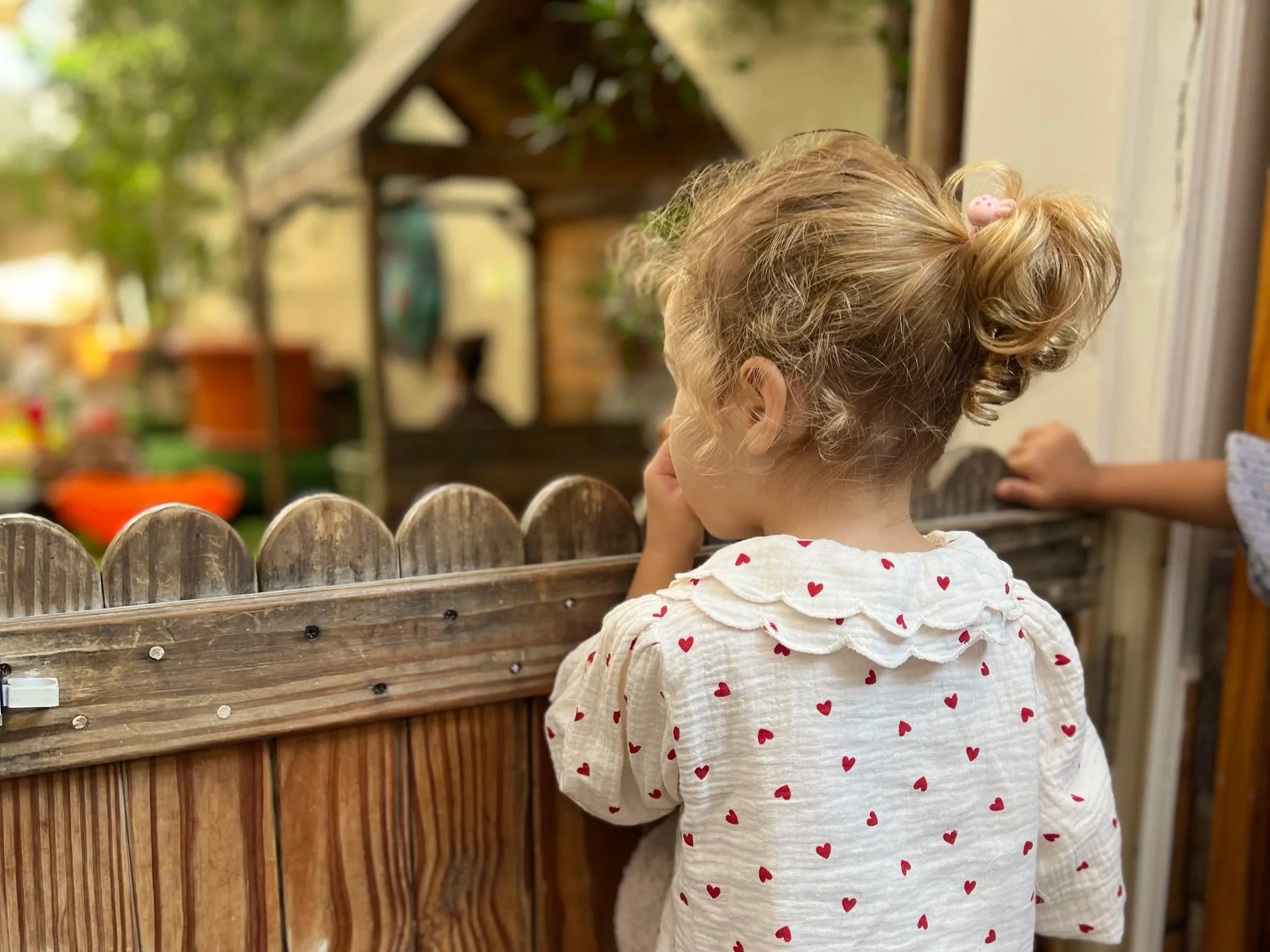
From settling in to moving on to big school - let’s talk about how paths looks to get there!
Understanding the British Curriculum & How it Influences Learning
Choosing the right nursery school environment for your child can feel like an overwhelming decision.
Here’s the bigger, calmer question underneath it all: will your child feel safe, seen, and settled enough to learn with joy? A British Curriculum Nursery label can be part of that puzzle but it’s not the whole picture.
What British curriculum usually means in early years
In early years care, “British curriculum” usually points to an EYFS-style approach: focusing on the prime areas of learning and development (communication and language, physical development, and personal, social and emotional development) and building learning through play. In other words, it should look like childhood, not a tiny version of Year 1 primary school.
Even in British-aligned settings, strong early years practice is still hands-on, language-rich, and play-based, because that’s how young children actually learn best.
The Variables
Here’s the twist: two nurseries can both use the same curriculum foundation and feel completely different day-to-day.
What often varies is:
How fiercely play is protected (especially as children get “older”)
How language and communication are supported (not just “circle time”, but real conversation)
How routines feel for toddlers (steady and kind… or rushed and rigid)
How the environment supports independence and confidence in a preschool classroom
So yes, the label can guide you but the lived experience matters more.
The Myth Buster Section
When parents bring their own school memories into the room
A lot of us carry our own “school baggage” into nursery school decisions. Some parents think, “I hated strict schooling.” Others think, “I thrived with structure.” Both are valid… and both can muddy the waters. Also, your memory of “British schooling” from 20–50 years ago may not match modern early years practice today.
Let’s gently retire a few assumptions. It does not automatically mean:
Worksheets
Formal reading pushed too early
Strictness as a personality trait
What high quality learning looks like in any strong early years setting
Across any excellent nursery school, you’ll usually see the same foundations:
Secure relationships (often through a key-person style approach)
Warm, predictable routines with gentle flexibility
A language-rich environment with real back-and-forth conversations
Play that is deep and meaningful, not just pretty trays for photos
And yes, this is where a British Curriculum Nursery can be wonderful, when it’s delivered with true early years understanding.
The Inspire Philosophy Lens
At Kid’s Island Nursery, we talk about our Inspire Philosophy: learning through play, thoughtful play invitation, open-ended materials and adults who guide without taking over. If you want to read more about how we think about early learning, this gives you the flavour.
Here’s what this can look like in real life: a child arrives unsure, half-hiding behind a parent’s leg. A familiar adult gets down to their level, says their name warmly and offers a simple choice, no pressure.
A few minutes later, that same child is choosing an invitation to play: loose parts to build, a sensory base to scoop and pour, a story basket to explore, or a role-play corner to “cook” breakfast. That shift, from guarded to engaged, is the real magic. Belonging comes first, then learning follows.
When you take a nursery school tour, ask yourself the following:
Feelings First
Before you analyse displays or policies, look at the emotional temperature of the room:
Do the adults look calm and present, or rushed and reactive?
Do children look busy and settled, or lost and wandering?
Do you feel a sense of emotional safety?
Reveal the Quality
Try asking:
How do you help children settle when they are new?
How do you handle big feelings?
How do you plan play, and how do you follow a child’s interests?
How do you communicate with parents week to week?
If you’re curious about our story and why relationships sit at the heart of our approach, you can peek here. why relationships matter at Kid’s Island
Red flags and green flags
Green flags:
Adults down at child level, using names, narrating play
Children have choices, materials are reachable
Transitions feel guided, not barked
Red flags:
Learning looks performative (lots of “sit and show”)
Children are mostly waiting
Adults talk at children more than with them
So, is a British curriculum nursery the right fit for your family?
It might be a lovely fit if:
Your child thrives with familiarity, routines and clear communication
Your child needs slower transitions and warm settling (look for relationship-led practice)
Your family values play, and you can see how play is protected as children get older
Own it!
Let these be your anchor points:
You can choose thoughtfully without choosing perfectly.
Your child is allowed to take time to settle.
You are doing a good job by asking these questions.
Bring it back to basics
Curriculum labels are a starting point, not the decision. Trust your gut feelings, then back them up with grounded questions and a quick “first 10 minutes” scan.
If you want to explore what a calm, play-based day actually looks like, that’s something you can only really feel in person but your checklist will steer you well. And when you hear the phrase British Curriculum Nursery again, you’ll know to look past the label and toward the lived experience: fit over perfection, always.
Key Takeaways
A “British curriculum” label in early years should still look like play, connection, and language-rich learning.
What matters most is how the curriculum is brought to life day-to-day (relationships, routines, emotional safety).
Use the “first 10 minutes” tour check to spot real quality, calm adults, settled children, meaningful play.
You’re choosing for fit, not perfection and your child is allowed time to settle.
If you are considering a nursery school for your little one, get in touch to book a tour of our nursery school, or book a stay-and-play nursery school session to see how your child experiences the nursery school and our British Curriculum method.