Why Quality Early Education Looks Like Play, Not School
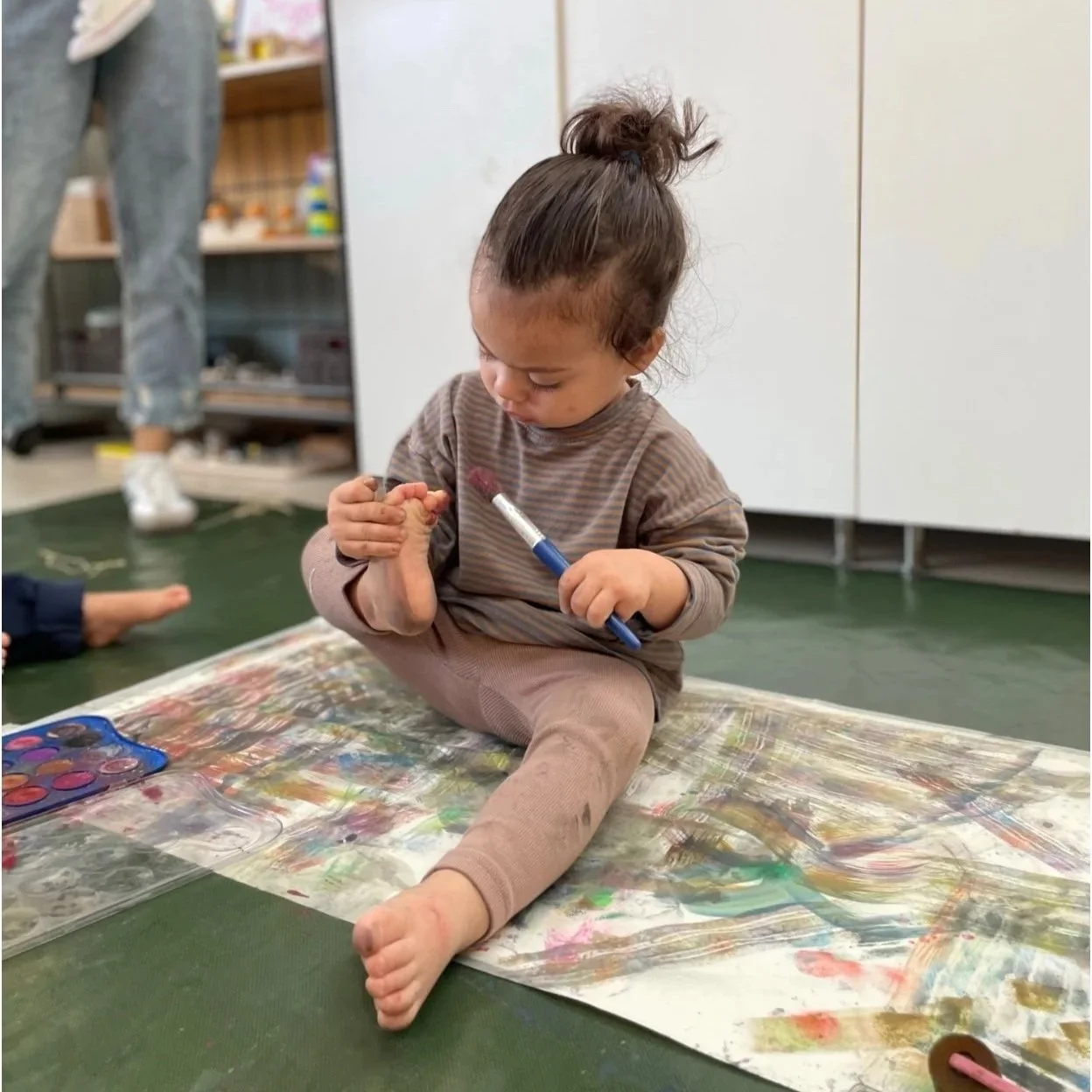
It’s all about giving them to time, space and freedom to create a love of learning!
Walk into a quality early years foundation stage nursery and you might wonder: where's the learning happening? Children are building with blocks, digging in sand, painting with their hands, and negotiating who gets to be the shopkeeper. It looks like chaos. It looks like fun. It certainly doesn't look like school.
And that's exactly the point.
The Fun IS the Learning
The word "play" itself needs to be reinvented in our adult brains. At the end of the day, play is experiencing, experimenting, and discovering. It's just under the label of play, which makes it feel and sound much less academic than it really is.
The only difference is that children are usually following their own interests, rather than being forced into lessons that don't relate to them. Think about it: we play all the time as adults. Every time you go to the gym after work or meet up with friends for coffee, you're playing. You're doing something you enjoy and actively choosing to do it. Every time you try a new hobby, ride your bike, or enjoy a show on TV, that's play.
Adults disconnect themselves from play because they aren't actively choosing to play with dolls or scribble in a coloring book anymore. But the essence of play (choosing activities that engage you, experimenting with new skills, enjoying the process) never stops being valuable.
What This Looks Like in Practice
In an early years foundation stage nursery, it is our role as educators and advocates for children's right to learn and play to provide a space that accommodates this beautifully.
A creative educator can look at a curriculum and come up with unique and inspiring ways to ensure all the developmental boxes are ticked, but done so in a developmentally appropriate way. And yes, that likely includes ample time to play!
Quality early years education involves:
Observation and reflection: Watching how children engage and what captures their attention
Thoughtful planning: Creating environments based on what you've observed
Flexible implementation: Following children's leads even when it diverges from your plan
Individual accommodations: Adapting for children who need different approaches
This is skilled, professional profession that requires deep knowledge of child development and how young children learn. It's intentional, purposeful education that happens to look joyful.
Setting the Stage for Discovery
A setting that follows the Early Years Foundation Stage framework has the flexibility to create learning environments that work with and for the children learning inside them, not forcing children to learn in one specific way.
By providing ample opportunity for discovery, experimentation, schematic play, and freedom of movement, we are setting children up for positive learning experiences that will inspire genuine love of learning.
An early years foundation stage nursery creates environments where a child interested in movement can spend an entire morning exploring ramps and gravity. Where a child fascinated by color mixing can experiment with paint until they've created every shade imaginable. Where social play can unfold naturally, not cut short because a timer says it's time for the next activity.
Why the Early Years Matter Most
Your first impressions of anything are what stick with you. A really awful meal at a restaurant may mean you never order it again or maybe you fell off your bike as a child and never got back on one.
This principle also applies to learning, which is why attending an early years foundation stage nursery that sets children up for success matters profoundly. Positive connections to learning from such an early age can make the world of difference when it comes to inspiring children to enjoy their entire educational journey.
If a child's first experience of education is sitting still, completing worksheets, and being told their curiosity is disruptive, what message does that send? But if their first experiences happen in a quality setting where play is valued, where questions are encouraged, where they have agency over their learning? That child learns that education is joyful and worth pursuing.
Those early impressions create patterns that last. Children who fall in love with learning in their early years carry that love forward into primary school and beyond.
Play IS School for Young Children
Quality early education doesn't look like school because it shouldn't. Young children aren't meant to sit at desks. They're meant to move, explore, create, question, experiment, and play.
When adults say "they're just playing," they're missing the entire point. In an early years foundation stage nursery, there is no "just" about it. Play is the work of childhood and it's the most effective way young children learn about themselves, others and the world around them.
The learning is happening. It's rich, deep, meaningful learning that builds foundations for everything that comes later. It just looks like play. And that's exactly how it should be.
Ready to discover how flexible nursery attendance could transform your return to work? Book a nursery tour today and let's discuss an attendance pattern that works perfectly for your family's unique needs.