Toddler Day-Care and Development: Why the Right Environment Matters
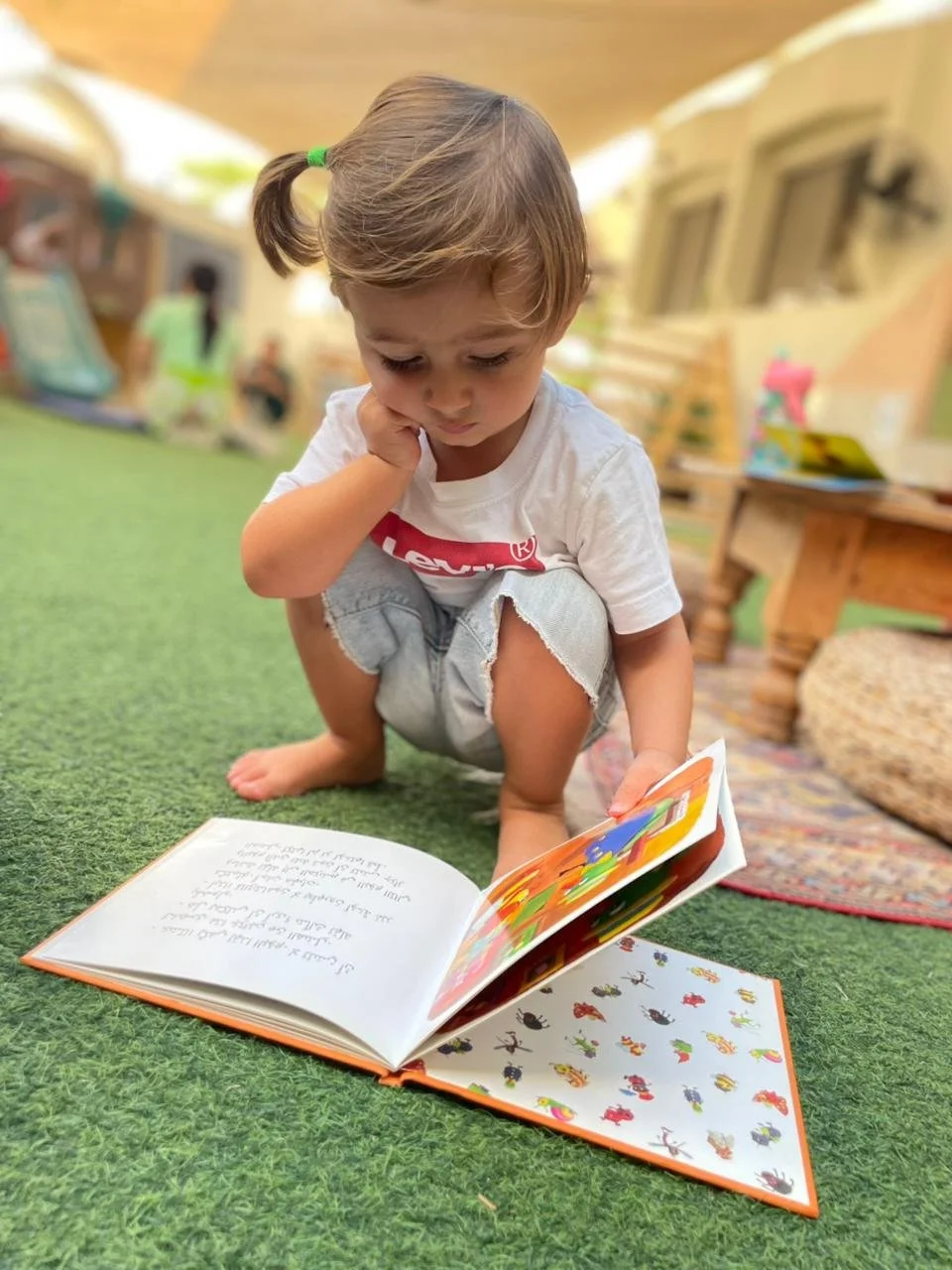
The right environment will shape your child’s future interests!
Toddler Care & Learning: The Toddler Brain is Building Itself
Between 18 months and three years, your toddler's brain is forming over 1 million neural connections every second! That's not an exaggeration. Isn’t that incredible!? Every interaction, every opportunity to explore, every moment of comfort when they're upset is literally wiring their developing brain.
This is why the quality of toddler day-care matters so profoundly. A rich, reciprocative environment doesn't just fill your child’s day. It provides the necessary experiences that build language pathways, emotional regulation skills, and social confidence that will last a lifetime.
At Kid's Island, we see this daily when toddlers move freely between sensory play, creative materials and outdoor exploration; each invitation to play supporting different developmental areas simultaneously.
What "Quality" Actually Means in Practice
A quality toddler day-care isn't about ‘fancy’ facilities and rigid schedules. It comes down to a few essential elements:
Responsive relationships: Caregivers who notice when your toddler needs comfort, a challenge or connection, who respond warmly to those cues
Rich language environment: Conversations, stories and songs woven throughout the day, not just during "circle time", that build vocabulary and communication confidence
Freedom to explore safely: Space and materials that invite curiosity with adults nearby to support (not direct) the learning that emerges
Emotional support: Adults who help toddlers name big feelings, navigate conflicts, and develop the self-regulation skills that underpin everything else
These aren't extras! They're the foundation of development during these years.
The Social-Emotional Foundation
Here's something that surprises many parents: school readiness in the early years is primarily built through social and emotional development, not through an early introduction of phonics or number recognition.
When toddlers learn to share common space, negotiate turn taking and express their needs with words instead of a smack; they're developing the executive function skills that will later help them focus in school, solve problems and collaborate with peers.
It is important that a nursery school day-care prioritises these moments. Instead of rushing to distract when conflicts arise, skilled educators guide toddlers through the process of understanding different perspectives and finding solutions together.
Physical Environment as a Teacher
The spaces toddlers spend their days in communicate powerful messages. Cluttered, overstimulating rooms create stress on the mind and body, while sterile, toy-barren environments offer nothing to explore! But thoughtfully designed spaces with natural materials, a variety of textures and opportunities for both active play and quiet focus? Those environments invite the kind of deep engagement where the real learning happens.
Outdoor learning deserves special mention here. Even in Dubai's climate, quality programs find ways to connect toddlers with nature and movement. The developmental benefits of outdoor play, spatial awareness, risk assessment, gross motor development, and that beautiful sense of wonder, simply can't be replicated indoors. Sometimes there really is no better source of joy and inspiration than a little bit of fresh air!
Language Blooms in Conversation
Your toddler is in a language explosion right now! The number and variety of words they hear directly predicts their vocabulary years later. But it's not about quantity alone.
Early Years practitioners model genuine conversations throughout the day; narrating activities, asking open questions, waiting for responses patiently and extending toddlers' ideas with new vocabulary. This back and forth rhythm builds not just words, but the confidence to use them.
For families raising multilingual children in Dubai, this becomes even more important. The right environment celebrates and supports language development in multiple languages without confusion or pressure.
The Partnership That Matters
Here's the truth: no toddler day-care, no matter how excellent, replaces you. What it should do is extend the love, learning and support you provide at home.
Quality settings view parents as partners and share observations about your child's day, ask about what's happening at home and work with you to support development consistently across environments. This continuity helps toddlers feel secure and thrive.
Trust Your Instincts
When you visit potential toddler day-care settings, notice how you feel. Do the caregivers seem genuinely delighted by the children? Do toddlers appear engaged and content? Can you imagine your child feeling safe and curious here?
Your gut reaction matters. Because while research tells us what quality looks like, you know your child best. The right environment will feel like a place where your toddler can grow into themselves, messy, curious, joyful and wholly supported.
If you are considering a day-care for your toddler, consider our nursery school. Get in touch to book a tour of our nursery school, or book a stay-and-play session to see how your child experiences the nursery school and our care method.